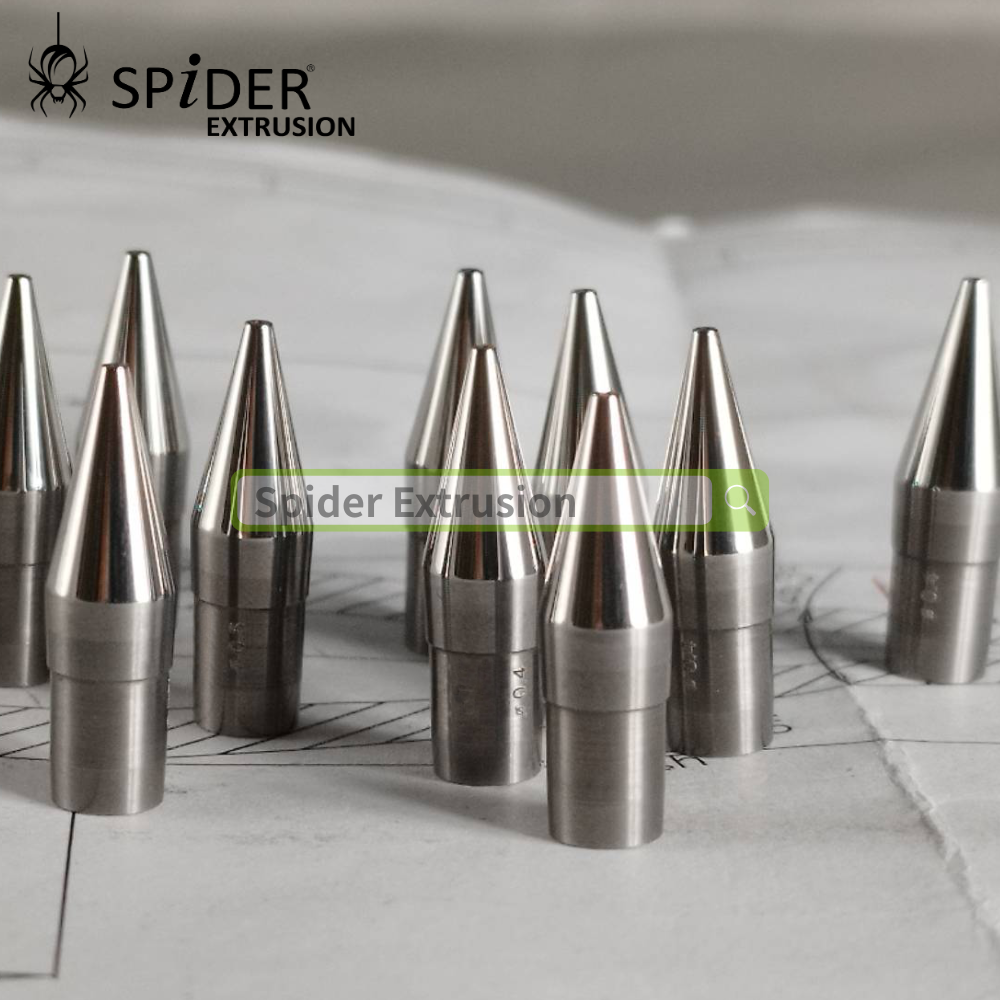
Extrusion Mold vs. Extrusion Die : What’s the Difference?
Confused about Extrusion Mold vs. Extrusion Die? Discover how they shape the extrusion plastic process, the role of extrusion die head, and the importance of extrusion die design.
This complete guide also explores sheet extrusion die, pipe extrusion die, and profile extrusion die.
Learn the difference and upgrade your extrusion knowledge today!
This complete guide also explores sheet extrusion die, pipe extrusion die, and profile extrusion die.
Learn the difference and upgrade your extrusion knowledge today!
|
|
Why People Confuse Extrusion Mold and Extrusion Die
If you’ve ever stepped into the world of plastic manufacturing, you’ve probably heard people use the terms Extrusion Mold and Extrusion Die as if they mean the same thing.
But here’s the catch—they don’t. This confusion is common, even among professionals, because both tools sit at the heart of the extrusion plastic process and are essential in shaping materials into their final forms.
An Extrusion Mold serves one role, while the Extrusion Die has a different yet equally critical function.
In this article, we’ll clear the fog by breaking down the differences between these two crucial pieces of extrusion tooling. We’ll also dive into how an extrusion die head directs the flow of molten material, why extrusion die design determines product consistency, and where specialized tools like the sheet extrusion die, pipe extrusion die, rubber extrusion die, and shape extrusion die come into play.
You’ll even learn how advanced techniques like extrusion die polishing can boost efficiency and extend the life of your equipment.
Stick around—by the end of this guide, you’ll never confuse Extrusion Mold with Extrusion Die again.
Instead, you’ll gain insider knowledge that helps you troubleshoot problems, reduce downtime, and optimize your production.
But here’s the catch—they don’t. This confusion is common, even among professionals, because both tools sit at the heart of the extrusion plastic process and are essential in shaping materials into their final forms.
An Extrusion Mold serves one role, while the Extrusion Die has a different yet equally critical function.
In this article, we’ll clear the fog by breaking down the differences between these two crucial pieces of extrusion tooling. We’ll also dive into how an extrusion die head directs the flow of molten material, why extrusion die design determines product consistency, and where specialized tools like the sheet extrusion die, pipe extrusion die, rubber extrusion die, and shape extrusion die come into play.
You’ll even learn how advanced techniques like extrusion die polishing can boost efficiency and extend the life of your equipment.
Stick around—by the end of this guide, you’ll never confuse Extrusion Mold with Extrusion Die again.
Instead, you’ll gain insider knowledge that helps you troubleshoot problems, reduce downtime, and optimize your production.
What Is an Extrusion Mold?
The terms "extrusion mold" and "extrusion die" are often used interchangeably in the manufacturing industry, especially in the context of plastic and metal extrusion.
However, a more technical and precise distinction exists, though it's not always followed in common usage.
An Extrusion Die is the correct and more common technical term for the tool used in the extrusion process.
It is the specific part with a shaped opening (the "die") through which the material is forced to create a continuous, fixed cross-sectional profile.
The term Extrusion Mold can be seen as a broader, less specific term.
While it is sometimes used to refer to the same tool, it can also cause confusion because the word "mold" is more closely associated with injection molding.
In injection molding, a material is injected into a closed mold cavity to create a complete, three-dimensional part, which is fundamentally different from the continuous, two-dimensional shaping of extrusion.
In summary, when discussing the extrusion process, "extrusion die" is the most accurate and preferred term. It clearly refers to the tool that shapes a material into a continuous profile, avoiding confusion with other molding processes.
However, a more technical and precise distinction exists, though it's not always followed in common usage.
An Extrusion Die is the correct and more common technical term for the tool used in the extrusion process.
It is the specific part with a shaped opening (the "die") through which the material is forced to create a continuous, fixed cross-sectional profile.
The term Extrusion Mold can be seen as a broader, less specific term.
While it is sometimes used to refer to the same tool, it can also cause confusion because the word "mold" is more closely associated with injection molding.
In injection molding, a material is injected into a closed mold cavity to create a complete, three-dimensional part, which is fundamentally different from the continuous, two-dimensional shaping of extrusion.
In summary, when discussing the extrusion process, "extrusion die" is the most accurate and preferred term. It clearly refers to the tool that shapes a material into a continuous profile, avoiding confusion with other molding processes.
Extrusion Mold vs. Extrusion Die: Core Differences
Why Extrusion Mold is Not the Same as Extrusion Die: A Look at Tooling and Design
When it comes to plastics forming, differentiating between an extrusion mold and an extrusion die is fundamental to understanding the manufacturing process.
While both tools fall under the broad category of extrusion tooling, their design, function, and final product are distinctly different.
The Extrusion Mold in Injection Molding
The design of an extrusion mold (specifically, an injection mold) aims to create a complex, three-dimensional shape.
Designers must consider factors like parting lines, ejector pin locations, and material shrinkage.
Once the extrusion mold is closed, material is injected under high pressure, filling the entire cavity to form a single, finished part.
The Extrusion Die in Extrusion Molding
The design of an extrusion die is entirely different. Its primary goal is to ensure that material flows evenly and smoothly through an opening. Whether it's a rubber extrusion die, a pipe extrusion die, or a profile extrusion die, designers focus on the flow channel extrusion die design to prevent material buildup or uneven flow. This is a continuous forming process.
Maintenance Differences: Polishing vs. Cleaning
Due to their different functions, their maintenance varies.
An extrusion die requires regular extrusion die polishing to maintain a smooth internal surface, which is critical for producing high-quality products. The maintenance of an extrusion mold, on the other hand, focuses more on cleaning and lubrication to ensure precise closure of the parting lines and smooth ejection of the part.
Conclusion
In short, an extrusion mold is used to produce discrete, complex 3D parts, while an extrusion die is used in the extrusion plastic process to create continuous products with a constant cross-section. They are different tools that serve different manufacturing purposes.
When it comes to plastics forming, differentiating between an extrusion mold and an extrusion die is fundamental to understanding the manufacturing process.
While both tools fall under the broad category of extrusion tooling, their design, function, and final product are distinctly different.
The Extrusion Mold in Injection Molding
The design of an extrusion mold (specifically, an injection mold) aims to create a complex, three-dimensional shape.
Designers must consider factors like parting lines, ejector pin locations, and material shrinkage.
Once the extrusion mold is closed, material is injected under high pressure, filling the entire cavity to form a single, finished part.
The Extrusion Die in Extrusion Molding
The design of an extrusion die is entirely different. Its primary goal is to ensure that material flows evenly and smoothly through an opening. Whether it's a rubber extrusion die, a pipe extrusion die, or a profile extrusion die, designers focus on the flow channel extrusion die design to prevent material buildup or uneven flow. This is a continuous forming process.
Maintenance Differences: Polishing vs. Cleaning
Due to their different functions, their maintenance varies.
An extrusion die requires regular extrusion die polishing to maintain a smooth internal surface, which is critical for producing high-quality products. The maintenance of an extrusion mold, on the other hand, focuses more on cleaning and lubrication to ensure precise closure of the parting lines and smooth ejection of the part.
Conclusion
In short, an extrusion mold is used to produce discrete, complex 3D parts, while an extrusion die is used in the extrusion plastic process to create continuous products with a constant cross-section. They are different tools that serve different manufacturing purposes.
What Is an Extrusion Dies?
What Is an Extrusion Dies? Applications and Efficiency
In every extrusion plastic process, the extrusion dies determine the shape, performance, and efficiency of the final product.
They work with the extrusion crosshead and extrusion tooling to convert raw polymers into reliable components used across industries.
Key industry applications include:
Sheet extrusion die – For packaging sheets, construction panels, and films.
Pipe extrusion die – For water supply, drainage, and industrial tubing.
Rubber extrusion die – For automotive seals, hoses, and gaskets.
Profile extrusion die – For doors, windows, trims, and wiring insulation.
A high-quality extrusion die design ensures reduced waste, stable throughput, and consistent product dimensions.
To maintain peak performance, extrusion die polishing is crucial, enhancing both surface finish and production efficiency.
Ultimately, extrusion dies are the driving force behind production speed, product consistency, and cost savings in extrusion lines.
In every extrusion plastic process, the extrusion dies determine the shape, performance, and efficiency of the final product.
They work with the extrusion crosshead and extrusion tooling to convert raw polymers into reliable components used across industries.
Key industry applications include:
Sheet extrusion die – For packaging sheets, construction panels, and films.
Pipe extrusion die – For water supply, drainage, and industrial tubing.
Rubber extrusion die – For automotive seals, hoses, and gaskets.
Profile extrusion die – For doors, windows, trims, and wiring insulation.
A high-quality extrusion die design ensures reduced waste, stable throughput, and consistent product dimensions.
To maintain peak performance, extrusion die polishing is crucial, enhancing both surface finish and production efficiency.
Ultimately, extrusion dies are the driving force behind production speed, product consistency, and cost savings in extrusion lines.
Types of Extrusion Dies Explained
Types of Extrusion Dies: A Comprehensive Guide to Extrusion Dies for Every Application
Extrusion dies are at the heart of the extrusion plastic process, and their diverse types reflect the wide-ranging needs of the manufacturing industry. Understanding the different types of extrusion dies is crucial for selecting the right extrusion tooling.
This article will detail some of the most common types of extrusion dies and their unique functions.
1. Sheet Extrusion Die
A sheet extrusion die is used to produce continuous flat products with a width much larger than their thickness, such as plastic sheets or films. The extrusion die design for this type of extrusion die is aimed at ensuring the material flows uniformly from a wide, flat opening to form a product of consistent thickness. They are fundamental to the packaging, construction, and thermoforming industries.
2. Pipe Extrusion Die
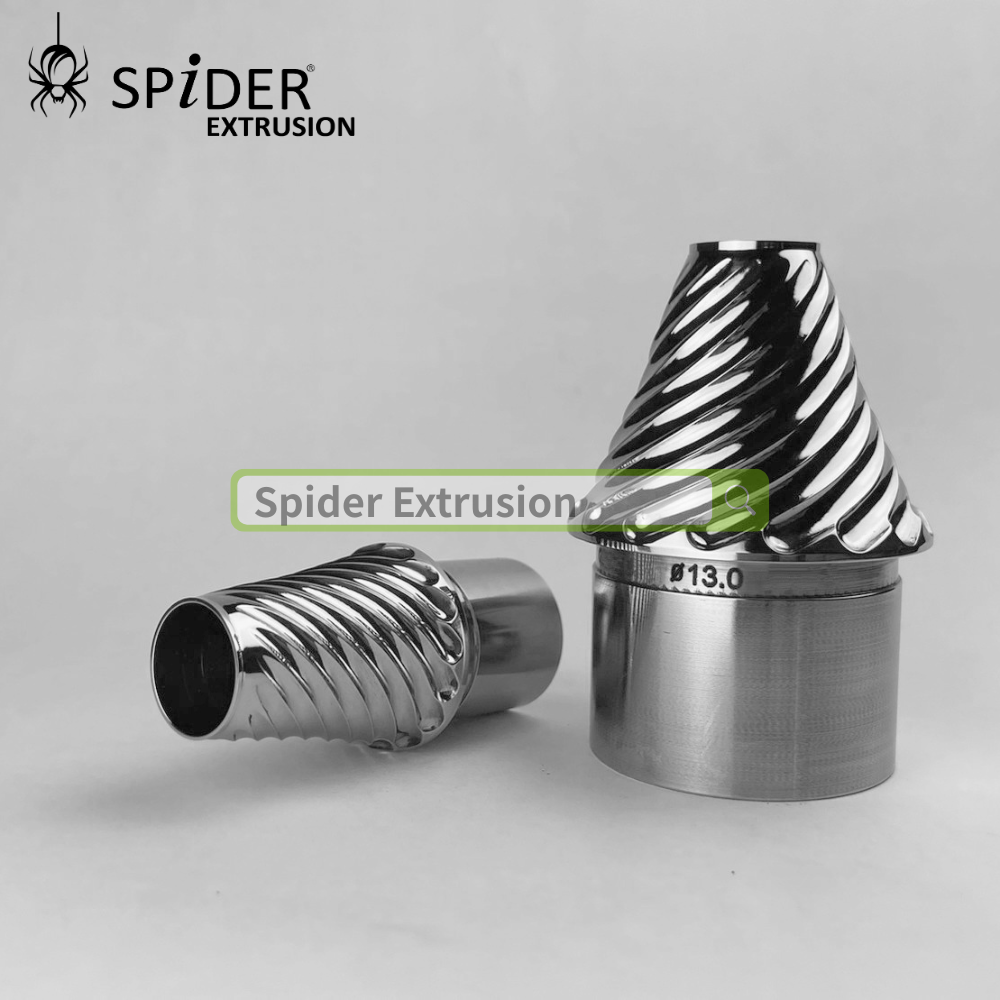
A pipe extrusion die is specifically designed to produce circular pipes and tubes of various diameters. Its extrusion die design typically features an annular flow channel, where material flows around a central mandrel to form a hollow, tubular structure. These extrusion dies are widely used in construction, water supply, and drainage systems.
3. Profile Extrusion Die
A profile extrusion die has the most complex design, used to produce products with irregular cross-sectional shapes, such as window frames, wire casings, or automotive seals. A well-engineered profile extrusion die can ensure material flows uniformly to complex corners and contours, representing the pinnacle of extrusion die design.
4. Rubber Extrusion Die
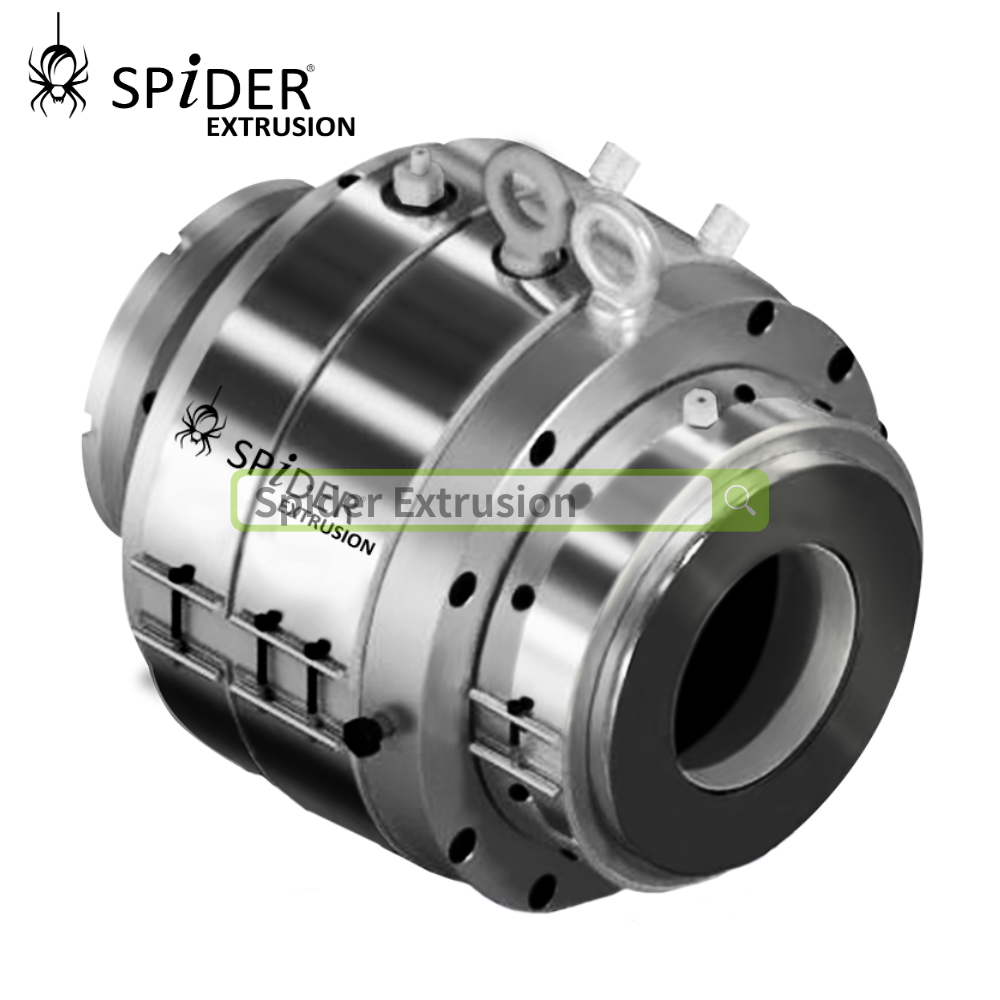
A rubber extrusion die is similar to its plastic counterparts, but its extrusion die design must account for the high elasticity and viscosity of rubber. These extrusion dies are used to produce products like automotive weatherstripping, gaskets, and industrial belts. Their manufacturing requires the precise cooperation of the extrusion die head and the extrusion die itself to handle the specific material properties.
Conclusion
Each type of extrusion die serves a specific purpose and is indispensable in its field. Choosing the correct extrusion die is the first step to ensuring production efficiency and product quality.
Regular extrusion die polishing further extends their lifespan and maintains their performance.
Extrusion dies are at the heart of the extrusion plastic process, and their diverse types reflect the wide-ranging needs of the manufacturing industry. Understanding the different types of extrusion dies is crucial for selecting the right extrusion tooling.
This article will detail some of the most common types of extrusion dies and their unique functions.
1. Sheet Extrusion Die
A sheet extrusion die is used to produce continuous flat products with a width much larger than their thickness, such as plastic sheets or films. The extrusion die design for this type of extrusion die is aimed at ensuring the material flows uniformly from a wide, flat opening to form a product of consistent thickness. They are fundamental to the packaging, construction, and thermoforming industries.
2. Pipe Extrusion Die
A pipe extrusion die is specifically designed to produce circular pipes and tubes of various diameters. Its extrusion die design typically features an annular flow channel, where material flows around a central mandrel to form a hollow, tubular structure. These extrusion dies are widely used in construction, water supply, and drainage systems.
3. Profile Extrusion Die
A profile extrusion die has the most complex design, used to produce products with irregular cross-sectional shapes, such as window frames, wire casings, or automotive seals. A well-engineered profile extrusion die can ensure material flows uniformly to complex corners and contours, representing the pinnacle of extrusion die design.
4. Rubber Extrusion Die
A rubber extrusion die is similar to its plastic counterparts, but its extrusion die design must account for the high elasticity and viscosity of rubber. These extrusion dies are used to produce products like automotive weatherstripping, gaskets, and industrial belts. Their manufacturing requires the precise cooperation of the extrusion die head and the extrusion die itself to handle the specific material properties.
Conclusion
Each type of extrusion die serves a specific purpose and is indispensable in its field. Choosing the correct extrusion die is the first step to ensuring production efficiency and product quality.
Regular extrusion die polishing further extends their lifespan and maintains their performance.
The Role of Extrusion Die Design and Polishing
From Concept to Perfection: The Synergy of Extrusion Die Design and Polishing
In an efficient extrusion plastic process production line, nothing is more important than the synergy between extrusion die design and extrusion die polishing.
These two are complementary, working together to ensure the optimal performance of extrusion dies.
This article will explore how these two crucial steps collaborate to create perfect results for the extrusion tooling system.
Design is the Foundation, Polishing is the Refinement
First, a successful product requires a superb extrusion die design. Designers need to consider material flow characteristics and the final product's geometry to create an extrusion die with flow channels that guide the material smoothly. For example, a pipe extrusion die, a sheet extrusion die, or a profile extrusion die all have their unique design challenges.
However, even the most perfect design cannot withstand the minor wear and tear of the production process.
This is where extrusion die polishing comes into play.
It takes the precision of the design into real-world production, removing any minor imperfections that could affect the product's surface quality.
The Relationship Between Polishing and the Extrusion Die Head
Extrusion die polishing doesn't just affect the die itself; it also impacts the performance of the entire extrusion die head.
A smooth extrusion die reduces flow resistance, allowing the extrusion die head to work efficiently at a lower pressure.
This not only saves energy but also reduces equipment wear.
For applications like a rubber extrusion die, where surface finish is critical, the role of polishing is especially vital.
Conclusion
Extrusion die design is the blueprint for achieving a product's geometric precision, and extrusion die polishing is the tool that turns this blueprint into a perfect reality.
The seamless combination of these two steps is the secret to ensuring that extrusion dies consistently deliver high-quality products. Neglecting either one can compromise the efficiency of the entire extrusion plastic process and the quality of the final product.
In an efficient extrusion plastic process production line, nothing is more important than the synergy between extrusion die design and extrusion die polishing.
These two are complementary, working together to ensure the optimal performance of extrusion dies.
This article will explore how these two crucial steps collaborate to create perfect results for the extrusion tooling system.
Design is the Foundation, Polishing is the Refinement
First, a successful product requires a superb extrusion die design. Designers need to consider material flow characteristics and the final product's geometry to create an extrusion die with flow channels that guide the material smoothly. For example, a pipe extrusion die, a sheet extrusion die, or a profile extrusion die all have their unique design challenges.
However, even the most perfect design cannot withstand the minor wear and tear of the production process.
This is where extrusion die polishing comes into play.
It takes the precision of the design into real-world production, removing any minor imperfections that could affect the product's surface quality.
The Relationship Between Polishing and the Extrusion Die Head
Extrusion die polishing doesn't just affect the die itself; it also impacts the performance of the entire extrusion die head.
A smooth extrusion die reduces flow resistance, allowing the extrusion die head to work efficiently at a lower pressure.
This not only saves energy but also reduces equipment wear.
For applications like a rubber extrusion die, where surface finish is critical, the role of polishing is especially vital.
Conclusion
Extrusion die design is the blueprint for achieving a product's geometric precision, and extrusion die polishing is the tool that turns this blueprint into a perfect reality.
The seamless combination of these two steps is the secret to ensuring that extrusion dies consistently deliver high-quality products. Neglecting either one can compromise the efficiency of the entire extrusion plastic process and the quality of the final product.
Conclusion: Choosing Between Extrusion Mold and Die
Spider Extrusion: The Ultimate Guide to Extrusion Mold vs. Extrusion Die
As experts in the field of extrusion tooling, Spider Extrusion is often asked a core question: should my project use an extrusion mold or extrusion dies?
This ultimate guide will clarify both concepts and provide a clear decision-making framework for you.
Understanding the Core Difference
An extrusion mold (typically an injection mold) is designed for batch production of discrete, complex, and individual parts.
It is a discontinuous process, with each cycle producing a single, complete product.
In contrast, extrusion dies are used for continuous production. They are key to the extrusion plastic process, continuously shaping material into a product with a constant cross-section. The extrusion die portfolio at Spider Extrusion includes:
Profile extrusion die
Pipe extrusion die
Sheet extrusion die
Rubber extrusion die
Spider Extrusion's Recommendation: Consider Design and Maintenance
No matter which extrusion tooling you choose, the extrusion die design is the foundation for success. Spider Extrusion engineers focus on optimizing flow channels to ensure material flows smoothly between the extrusion die head and the die.
Furthermore, extrusion die polishing is a crucial service we provide to our extrusion dies customers. This maintenance step extends the lifespan of the extrusion dies and ensures products maintain a consistently high surface finish.
Final Conclusion
Your product's characteristics will be the final deciding factor. If your product needs a complex, single shape, choose an extrusion mold.
If it needs a simple, constant cross-section and is produced continuously, then extrusion dies are the correct choice.
Spider ExtrusionContact Us will be your reliable partner on your extrusion plastic process journey, providing you with the highest quality extrusion tooling.
As experts in the field of extrusion tooling, Spider Extrusion is often asked a core question: should my project use an extrusion mold or extrusion dies?
This ultimate guide will clarify both concepts and provide a clear decision-making framework for you.
Understanding the Core Difference
An extrusion mold (typically an injection mold) is designed for batch production of discrete, complex, and individual parts.
It is a discontinuous process, with each cycle producing a single, complete product.
In contrast, extrusion dies are used for continuous production. They are key to the extrusion plastic process, continuously shaping material into a product with a constant cross-section. The extrusion die portfolio at Spider Extrusion includes:
Profile extrusion die
Pipe extrusion die
Sheet extrusion die
Rubber extrusion die
Spider Extrusion's Recommendation: Consider Design and Maintenance
No matter which extrusion tooling you choose, the extrusion die design is the foundation for success. Spider Extrusion engineers focus on optimizing flow channels to ensure material flows smoothly between the extrusion die head and the die.
Furthermore, extrusion die polishing is a crucial service we provide to our extrusion dies customers. This maintenance step extends the lifespan of the extrusion dies and ensures products maintain a consistently high surface finish.
Final Conclusion
Your product's characteristics will be the final deciding factor. If your product needs a complex, single shape, choose an extrusion mold.
If it needs a simple, constant cross-section and is produced continuously, then extrusion dies are the correct choice.
Spider ExtrusionContact Us will be your reliable partner on your extrusion plastic process journey, providing you with the highest quality extrusion tooling.
Other blog posts
SPiDER EXTRUSION Joins HANNOVER MESSE 2025 for the First Time
SPiDER EXTRUSION Representing at HANNOVER MESSE 2025 ...
|
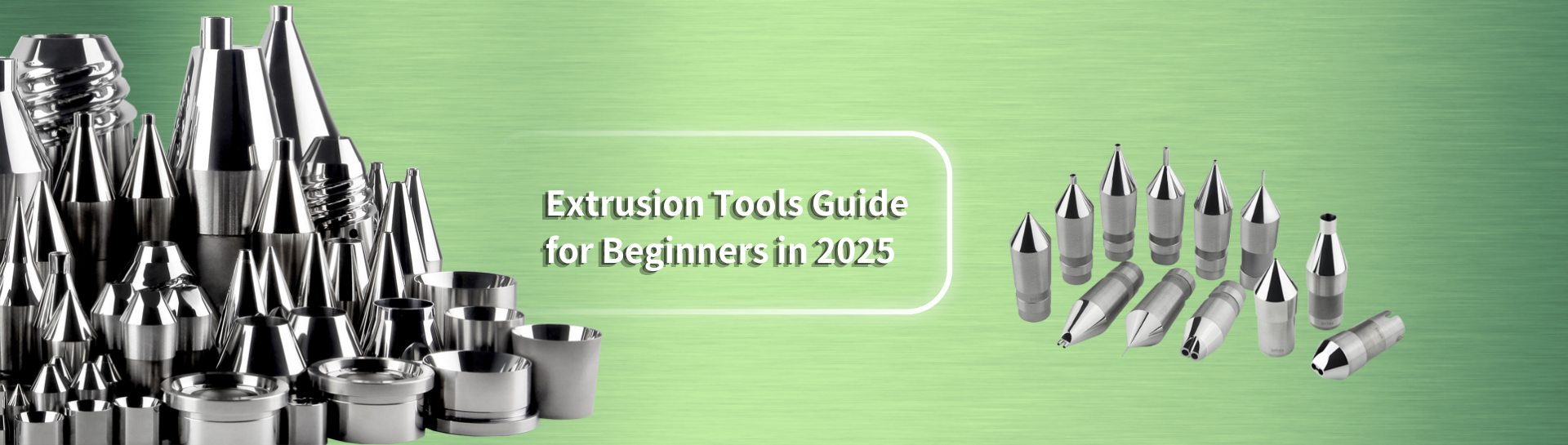
What Are Extrusion Tools? Complete Guide for Beginners in 2025
extrusion dies is the first step to mastering the art of precise...
|
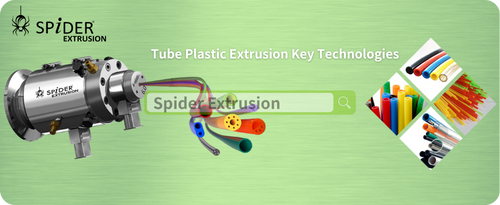
Tube Plastic Extrusion Key Technologies, Benefits, and Innovations
Tube Extrusion industry continues to evolve,plastic ....
|
Contact SPiDER EXTRUSION today for custom tube extrusion heads !